The car wash industry is undergoing rapid transformation, driven by technological innovation, sustainability demands, and shifting consumer expectations. As a Mattias Car Wash installation and after-sales specialist, I’ve witnessed firsthand how strategic planning and adaptability define success in this competitive landscape. In this article, we explore emerging trends, critical success factors, and outdated practices, with actionable insights to future-proof your car wash business.
1. Emerging Trends Shaping the Car Wash Industry
1.1 Sustainability as a Competitive Edge
Modern customers prioritize eco-friendly services. According to industry reports, water recycling systems and energy-efficient technologies are no longer optional but essential
1. Mattias Car Wash machines, for example, recycle up to 85% of water and use AI-driven energy optimization, reducing utility costs by 30–40% while appealing to environmentally conscious clients.
1.2 Hyper-Automation and IoT Integration
Fully automated car wash systems with IoT capabilities are redefining operational efficiency. Features like remote diagnostics (e.g., Mattias’s cloud-based monitoring) predict maintenance needs and minimize downtime. Real-time data on wash cycles, customer traffic, and resource usage empower owners to make data-driven decisions.
1.3 Premium Customer Experiences
The rise of subscription models and membership programs reflects a shift toward convenience and loyalty. Integrating apps for booking, payments, and personalized wash plans (e.g., Mattias’s loyalty modules) can boost retention by 25%.
2. Crucial Factors for Strategic Planning
2.1 Equipment Selection: Balancing Tech and Durability
Invest in equipment that aligns with long-term scalability and local demand:
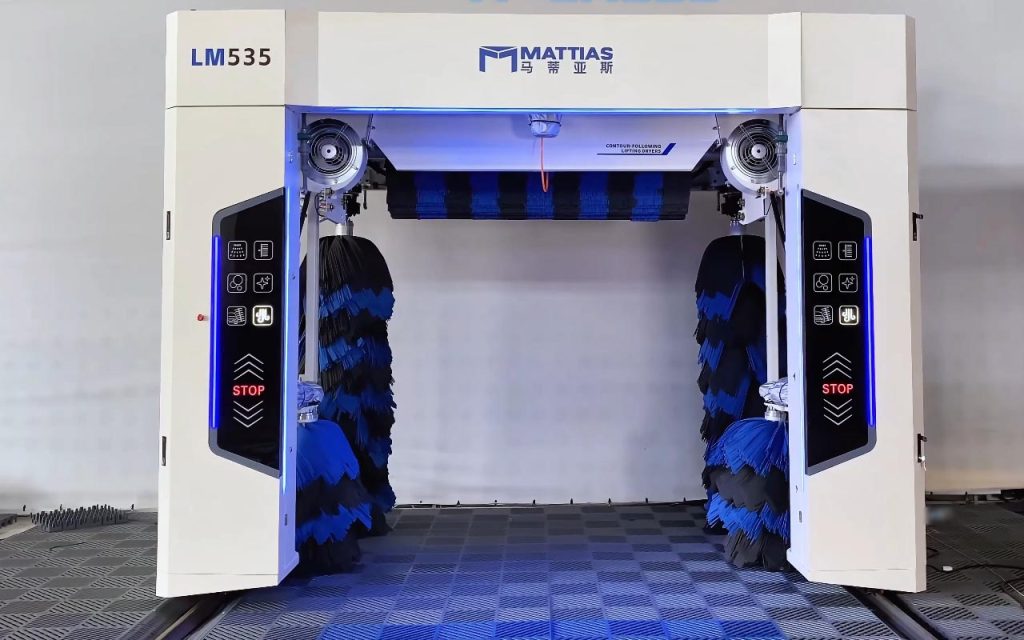
- High-Pressure Touchless Car Wash Systems (e.g., Mattias’s 190 Bar machines) suit luxury vehicles and regions with harsh weather.
- Tunnel Car Wash Systems handle high-volume sites (e.g., gas stations), processing 150+ cars/day.
- Prioritize modular designs to add features like ceramic coatings or undercarriage washes later.
2.2 Site Optimization: Location and Layout
A detailed site analysis is critical. Key considerations include:
- Traffic Flow: Ensure easy entry/exit to avoid congestion.
- Local Competition: Differentiate with faster service or eco-certifications.
- Utilities: Mattias car wash machines support dual water sources (tap or recycled) and low-energy motors, ideal for areas with high utility costs.
2.3 Data-Driven Pricing Strategies
Dynamic pricing models, informed by peak-hour demand and seasonal trends, maximize revenue. For instance, offering discounts during off-peak hours can increase utilization by 20%.
2.4 Staff Training and Maintenance Protocols
Even fully automated systems require skilled oversight:
- Train staff on emergency protocols and basic troubleshooting.
- Schedule monthly inspections of nozzles, brushes, and sensors.
- Partner with manufacturers offering on-demand support, like Mattias’s 24/7 technical helpline.
3. Outdated Practices to Abandon
3.1 Ignoring Preventative Maintenance
Reactive repairs cost 3x more than scheduled servicing. Avoid downtime by replacing worn parts proactively—e.g., Mattias’s IoT alerts notify operators of seal wear or pump inefficiencies.
3.2 One-Size-Fits-All Service Models
Static wash packages fail to cater to diverse needs. Introduce tiered pricing (Basic, Premium, Ultimate) and add-ons (interior detailing, odor removal) to capture broader markets.
3.3 Underestimating Digital Marketing
Traditional signage alone won’t attract tech-savvy customers. Leverage:
- Social Media Campaigns: Showcase eco-friendly practices or loyalty rewards.
- Google My Business: Highlight convenience factors like “10-minute express wash.”
4. Why Mattias Car Wash Stands Out
Mattias’s solutions address modern challenges through:
- Adaptability: Modular systems scale from basic in-bay units to full-service tunnels.
- Sustainability: Water recycling and solar-compatible designs meet global green standards.
- Support: Comprehensive training, ROI calculators, and 48-hour onsite repairs ensure uninterrupted operations.
5. Case Study: Transforming a Traditional Car Wash
A recent project with Loxton Car Wash (Australia) highlights strategic upgrades:
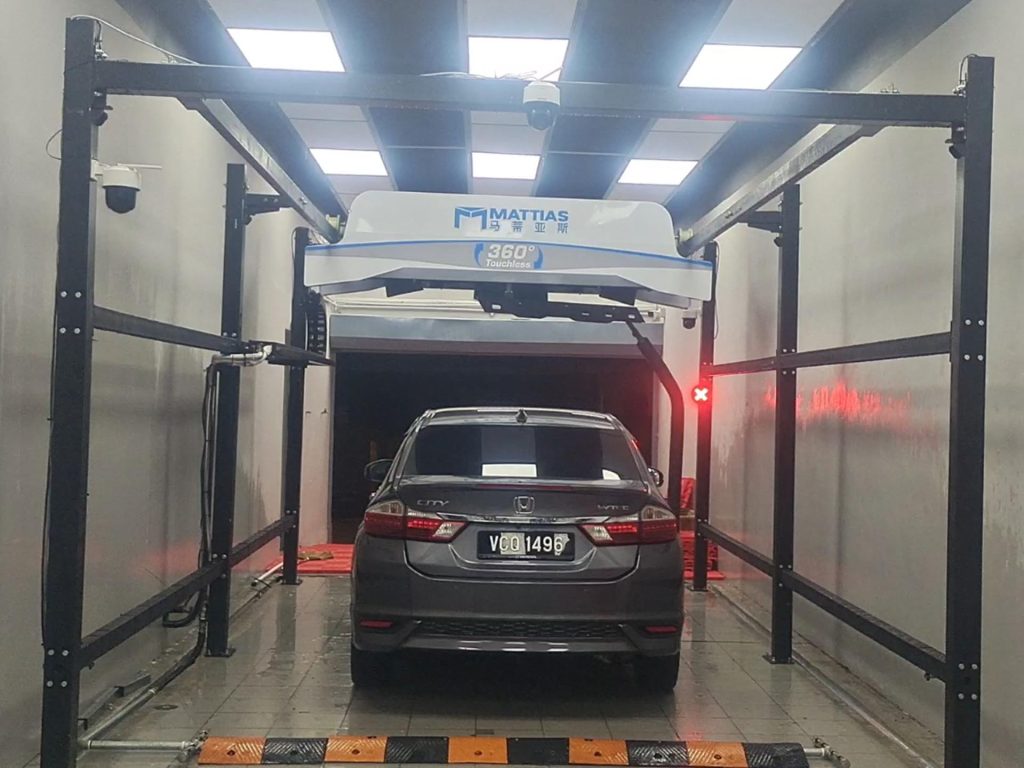
- Replaced outdated equipment with Mattias’s touchless system, reducing water use by 60%.
- Introduced a membership app, increasing monthly recurring revenue by 35%.
- Leveraged IoT data to optimize pricing during peak hours.
Conclusion: Future-Proofing Your Business
Success in today’s car wash industry hinges on embracing automation, sustainability, and customer-centric innovation. By adopting advanced technologies like Mattias’s systems, conducting thorough site analyses, and phasing out outdated practices, operators can secure profitability in a dynamic market.
Explore Mattias Car Wash Machines: https://www.mattiascarwash.com/automatic-car-wash-machine/